


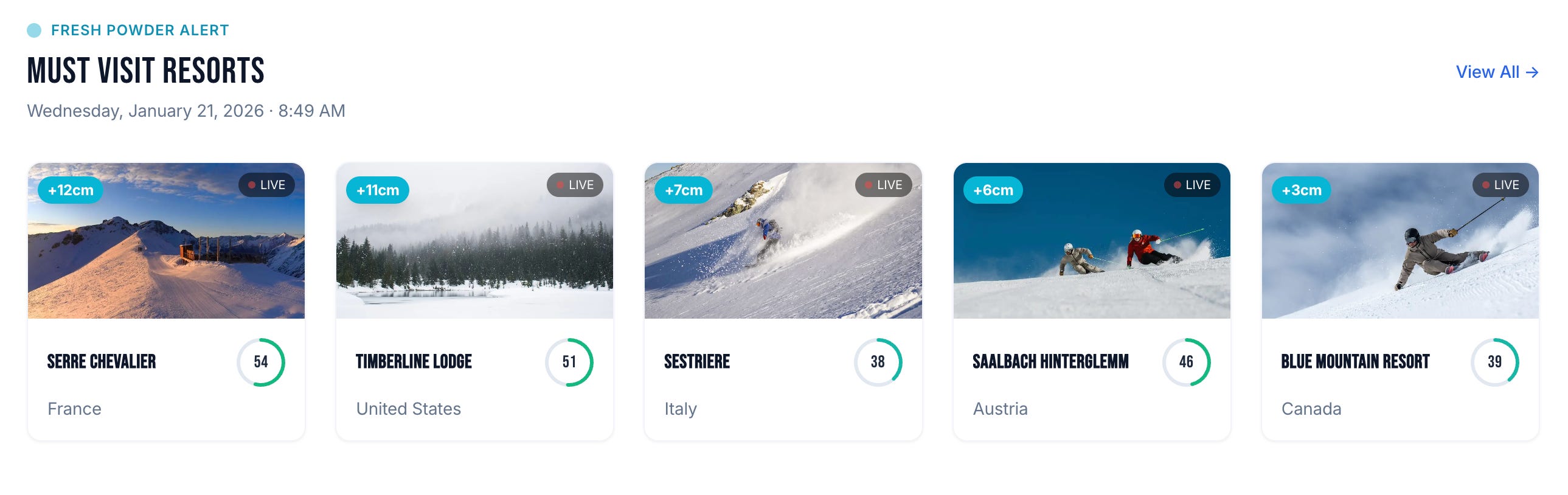
In Part 5, I detailed the journey of building SnowSure AI into a self-healing system, complete with automated monitoring and a smarter forecasting engine. But as any product manager knows, a product is never truly finished. It’s a living entity that requires constant care, feeding, and evolution.
Part 6 is about confronting the very real limitations of building with AI while simultaneously pushing the project into a new, more ambitious phase. It’s a story about the stubbornness of AI, the philosophical shift in what it means to “build,” and the decision to split one project into a multi-platform digital business.
The Uncanny Valley of AI Design
As a designer by trade, I’ve been consistently disappointed by AI’s ability to generate compelling visuals from data. I have a simple request: make the downloadable social media images match the design of the website. For some reason, this seems to be an impossible task for my AI agents.
While Cursor can effortlessly reuse design styles and components for site pages, it hits a massive block when creating shareable images for Instagram or Facebook. Instead of copying the established style guide, it comes up with completely new, often ugly designs.
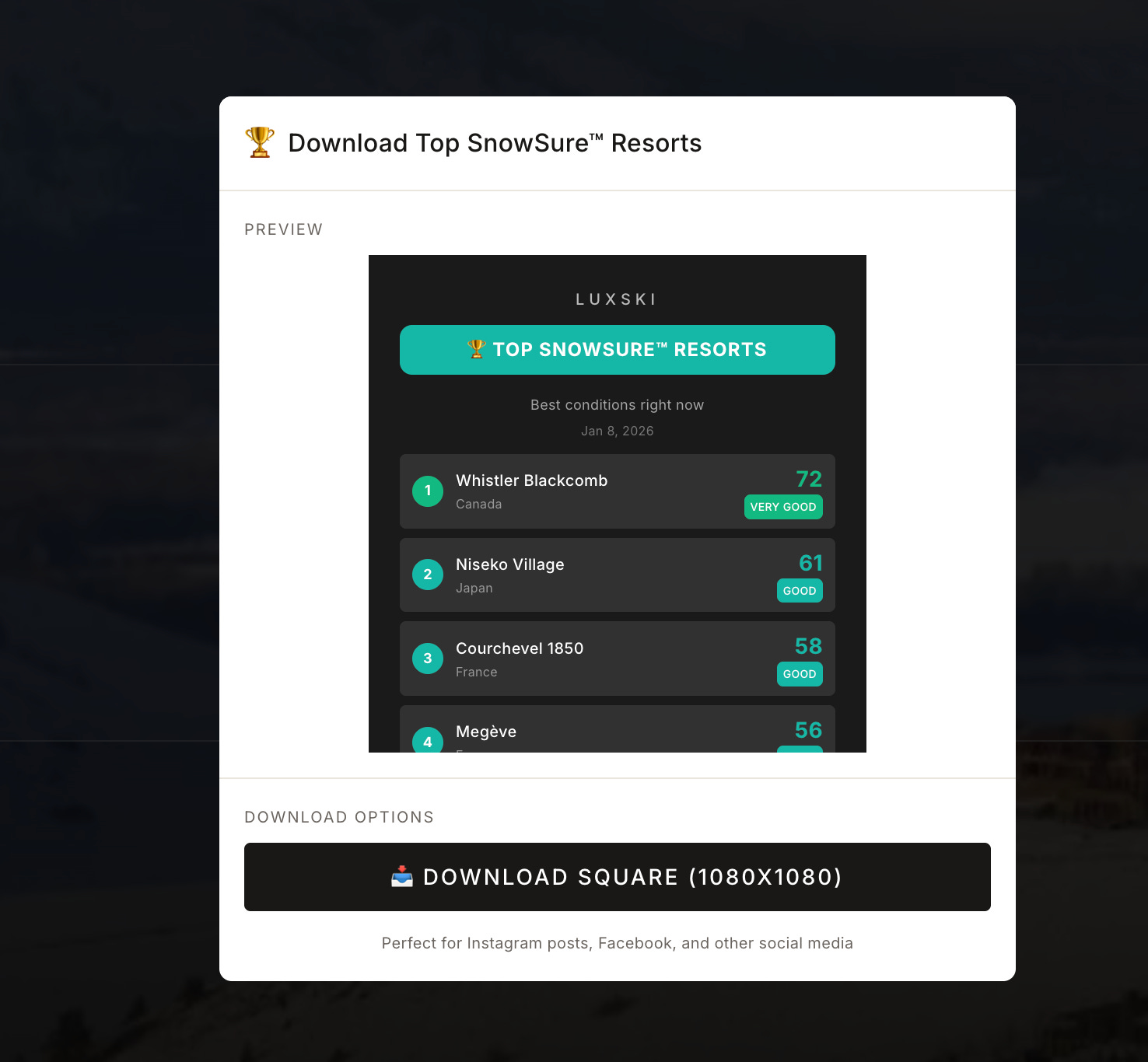
I’ve spent countless hours trying to perfect this. We’ve cycled through numerous technologies—Puppeteer, Satori, Resvg-js, @vercel/og—all in pursuit of a simple background image for an Instagram story. The AI agents get stuck in loops, unable to resolve basic layout issues. It’s a clear limitation and a massive opportunity for a tool that can bridge this gap.
Is This Even “No-Code” Anymore?
This journey has forced me to question the very name of this series. Am I really part of a “No-Code Revolution”? Technically, we are writing a lot of code. The difference is that I’m not writing it myself; I’m directing an AI agent to do it for me.

This isn’t “no-code.” It’s the “AI Agent Revolution.”
This realization is profound. It moves beyond just building things faster and cheaper. It changes the fundamental relationship between an idea and its execution. People often ask me for an “AI 101” guide. My answer is simple: just start talking to it. Just begin. The only way to understand this shift is to immerse yourself in it.
The Human in the Loop: The High-Five and the Headache

Working with AI agents is a strange emotional rollercoaster. When an agent perfectly executes a complex task, I genuinely want to high-five it and say thank you. There’s a sense of partnership and appreciation for the help.
But there are also moments of extreme frustration. The biggest headache is the AI’s alarming lack of long-term memory. I’ve established countless times that we store original images in Airtable and then sync them to the Sanity CDN because the Airtable URLs expire. Yet, out of the blue, a new agent will try to build a feature using the expiring Airtable links, completely forgetting weeks of work and established architecture. Without my intervention, it would have jeopardized the entire image library.
This is my growing concern. AI agents, in their current state, require a human pilot with a firm grasp on the project’s history and strategic decisions. They can accelerate your work, but they can also destroy it just as quickly if left unsupervised. The memory of the project still has to live in a human brain.
I’ve also run into basic product issues that a human developer would never miss. The system was temporarily storing user accounts in-memory, meaning all accounts were lost every time the server restarted. An AI should know better. The idea that a real product would function this way is unacceptable, but it’s a mistake the AI made with confidence.
Splitting the Atom: One Project Becomes Two Businesses
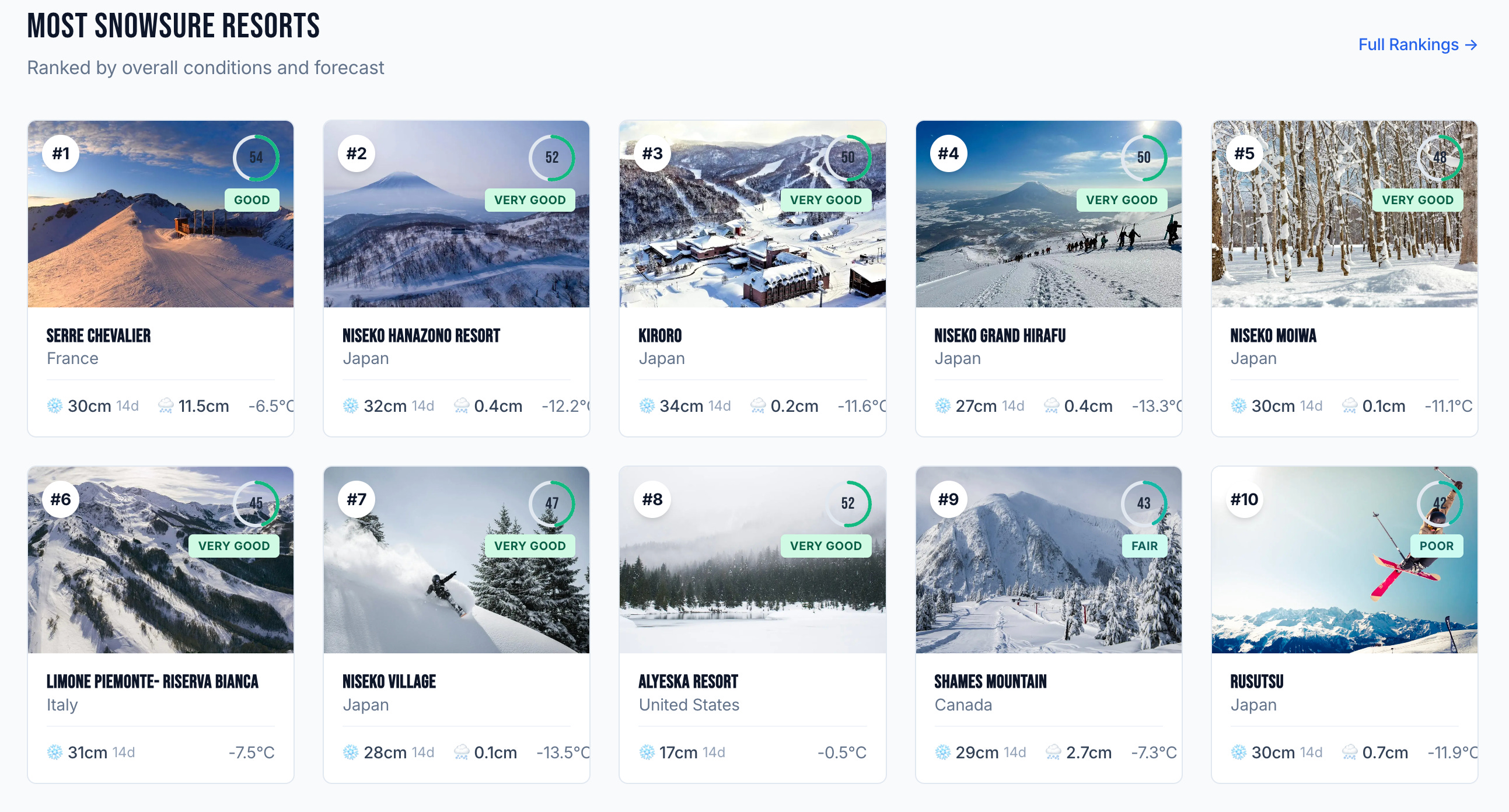
The project has reached a critical inflection point. The original vision for LuxSki was a luxury hotel booking site supported by snow data. But the SnowSure engine has become so powerful that it deserves to be its own dedicated platform.
I decided to split the project in two:
Lux.ski: Will remain focused on luxury hotels, using SnowSure data as a supporting feature.
SnowSure.ai: Will become a dedicated, comprehensive snow forecasting and resort data platform, featuring hundreds of resorts, not just those with luxury hotels.
This decision would have taken months in a traditional company. We would have had strategy meetings, technical design sessions, and resource planning debates.
With Cursor, I just asked: “How do we do this?”
In seconds, it laid out a plan. The strategy was to create a centralized public API for all our data—SnowSure scores, resort content, weather, and webcams. Both websites, and any future mobile apps, would be powered by this single source of truth.
Within a few hours, I was in the API business. We had a new repository, a new Vercel site, and a new Sanity instance. It was terrifying and exhilarating. I now have two websites running off a shared data architecture, a structure that would have taken a team of engineers weeks or months to build. These tools aren’t just for building websites; they’re for building digital businesses at light speed.
The Road Ahead: Mobile Apps and Constant Vigilance
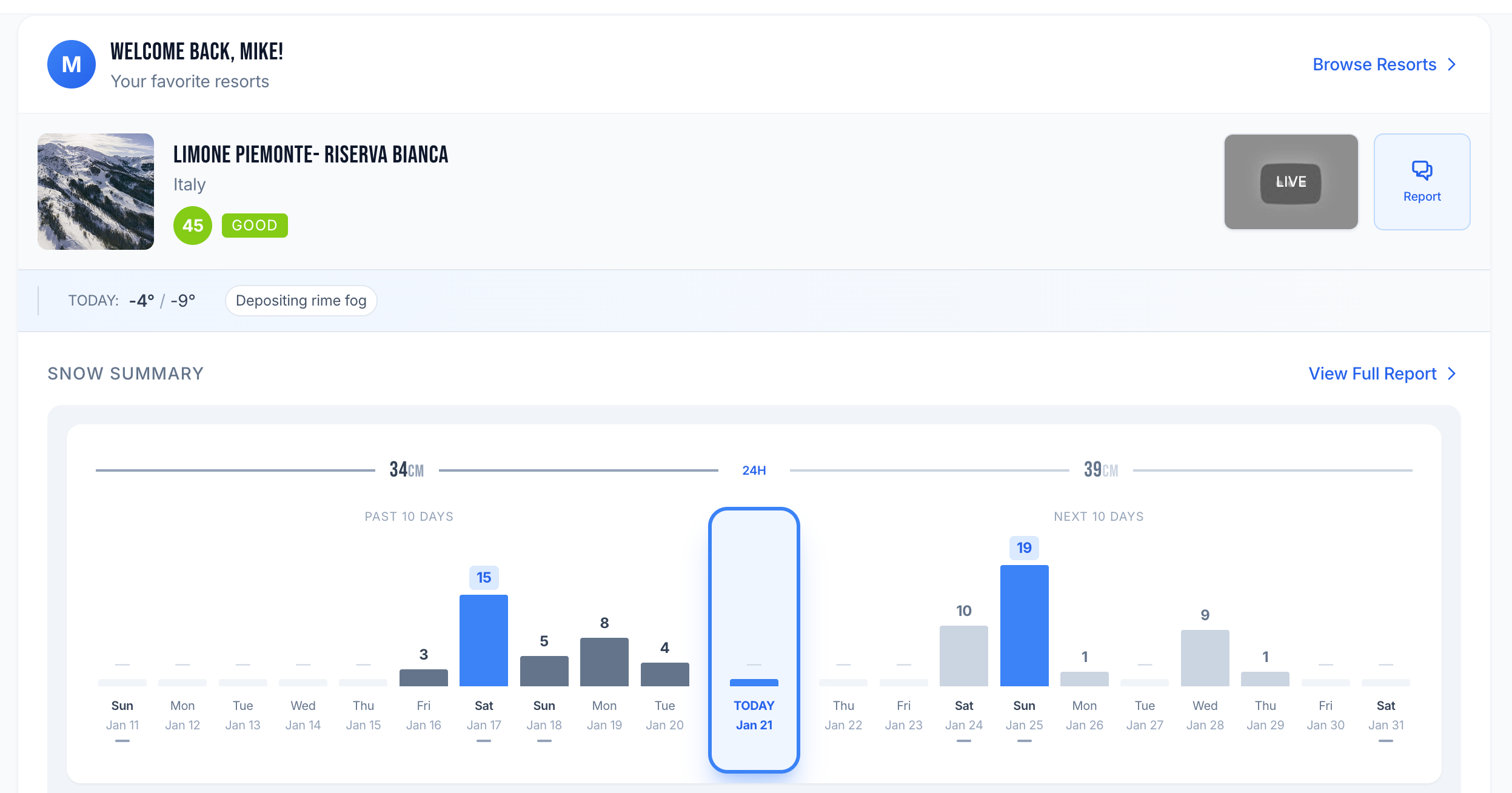
Even with this new structure, the work is never done. A product is a promise, and keeping that promise requires constant maintenance. Just this week, the 14-day forecast broke because of an unmonitored data issue. Building a product is a small part of the journey; maintaining it and ensuring it works well is where the real work lies.
This is why I still haven’t promoted these sites. They are my secret production laboratories where I can experiment without the pressure of real customers.
The journey continues. My son and I tested the “Local Snow Report” feature while skiing in Italy, submitting our own on-the-ground reports and photos. The experience was powerful, but it reinforced one thing: we both prefer mobile apps to websites. So, the next adventure is clear. It’s time to see if Cursor and I can tackle a native mobile application.
I continue to have dreams where I’m crafting the perfect AI prompt. This obsession, this deep dive, is the only way to truly understand what’s possible. And I’m starting to believe that anything is.